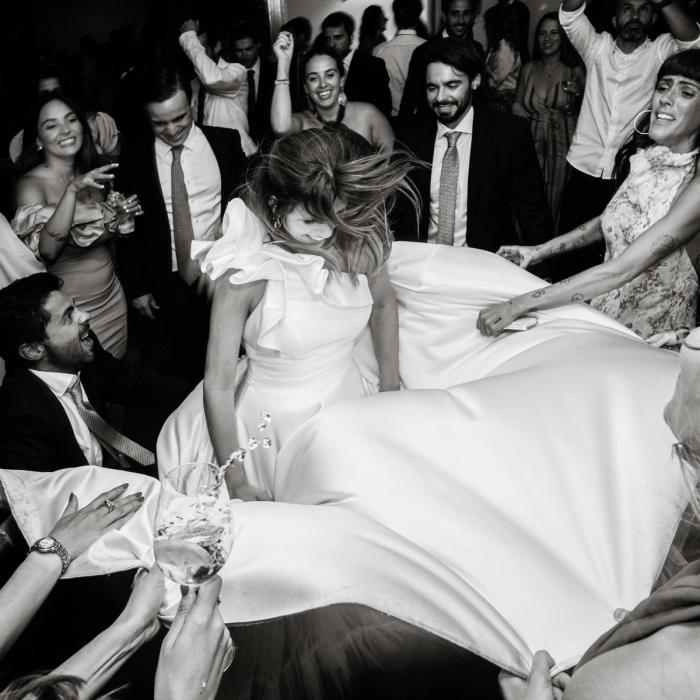
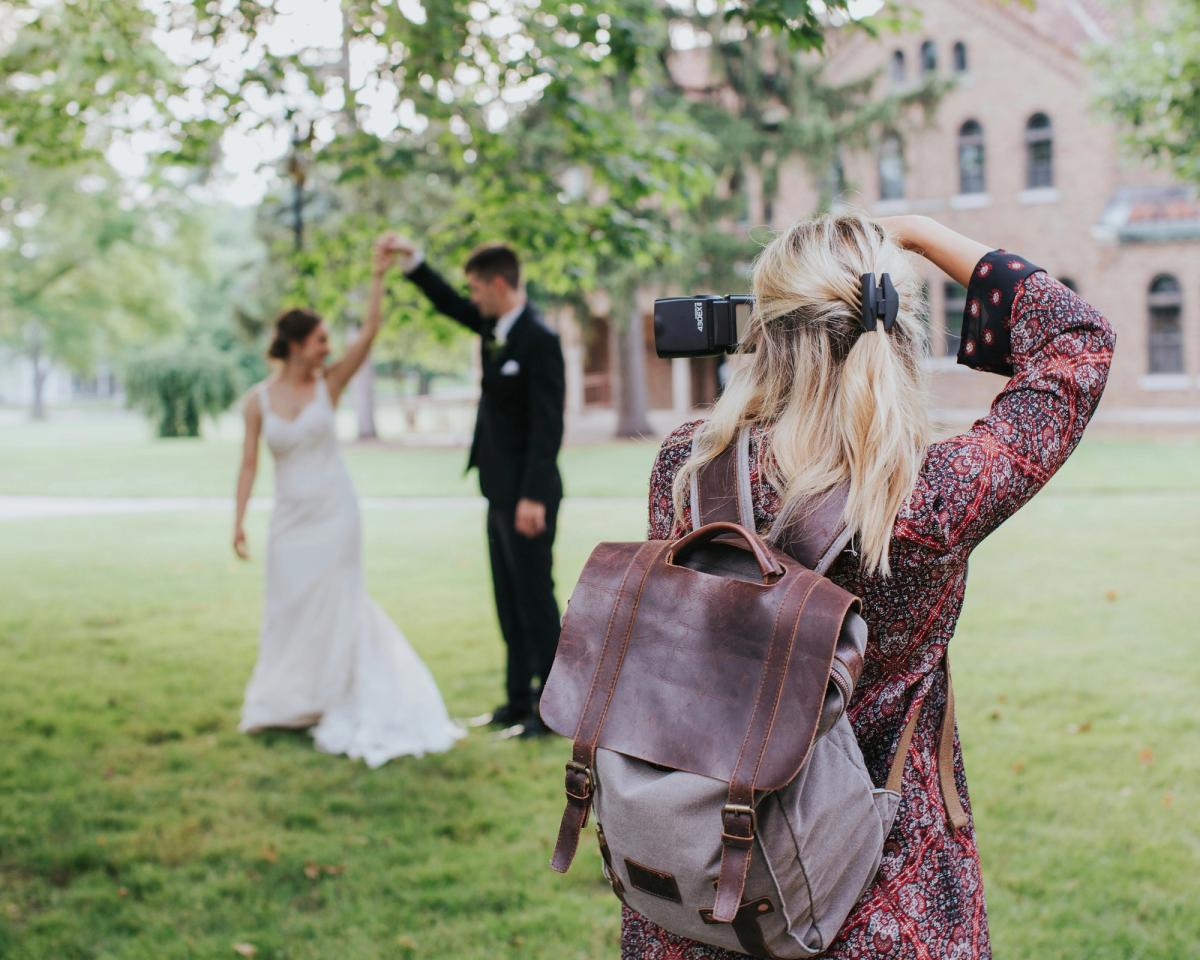
A photograph of your sister straightening your collar before the ceremony and a portrait of the two of you together afterwards can both belong in your wedding album. The first depends on someone seeing the moment as it happens. The second depends on making time for it.
That’s the main difference between documentary and traditional wedding photography. Documentary wedding photography follows what unfolds with little direction from the photographer. Traditional wedding photography places more emphasis on planned pictures, especially family groups and couple portraits, with the photographer guiding people into position. Both approaches can appear in the same gallery. The decision is where you want your photographer to step in.
How each approach works through the wedding day
The difference is clearest when you compare the same part of the day. During the vows and speeches, photographers using either approach will generally work with the events as they unfold. You’ll notice more of a difference during the parts of the day when there’s room to arrange a photograph.
'Documentary style wedding photography’ also goes by ‘reportage’ or ‘photojournalistic wedding photography’. A candid photograph can appear anywhere in a wedding gallery. Documentary coverage makes those unposed moments the main thread, so the order and context of the pictures help you follow what happened.
What each approach gives you
Documentary photography gives you more of the moments you missed
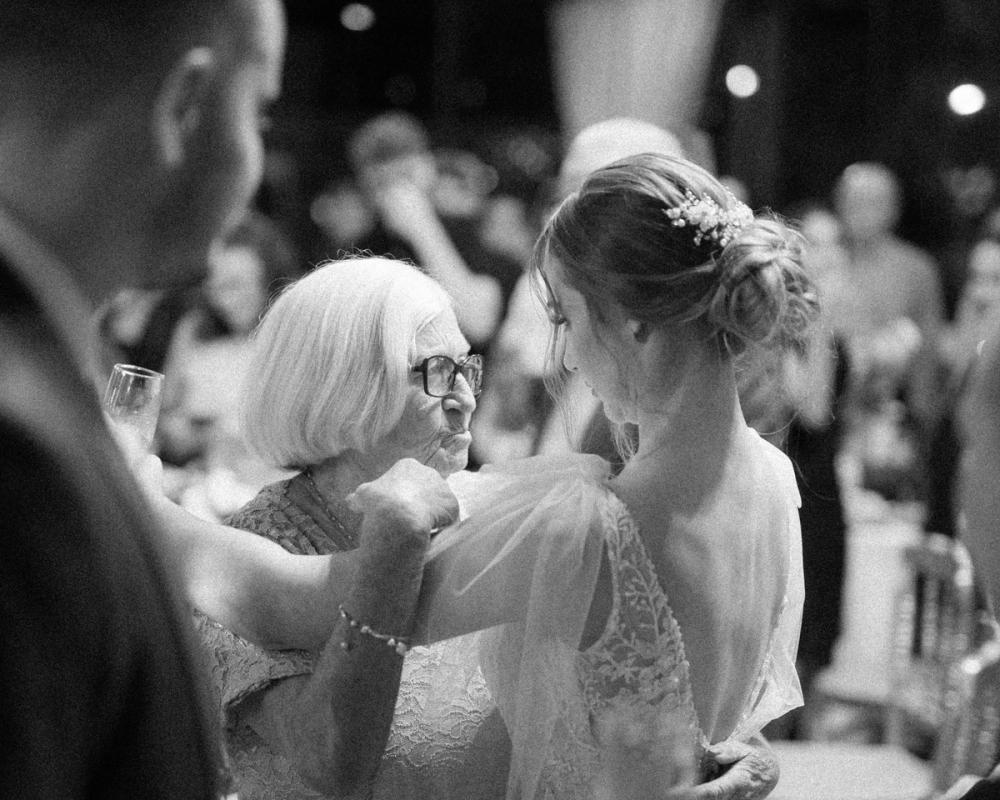
You’ll be in only one place at a time. While you’re talking to friends at the reception, someone might be helping your grandfather find his seat or showing a guest an old family photograph. Those small interactions are part of the day, and a photographer who spends that stretch moving among guests has a chance to catch them. It also gives you more time to stay in the room with everyone.
The trade-off is that expressions, backgrounds and who happens to be together are largely determined by the moment. A photographer can change position or wait for a clearer view, but a passing embrace might still happen behind another guest. If you’d be disappointed to come away without a picture of you and your sister together, put that on the plan. That picture is too easy to leave to chance, even if you’re happy for almost everything else to unfold naturally.
Traditional photography makes room for the pictures you know you want
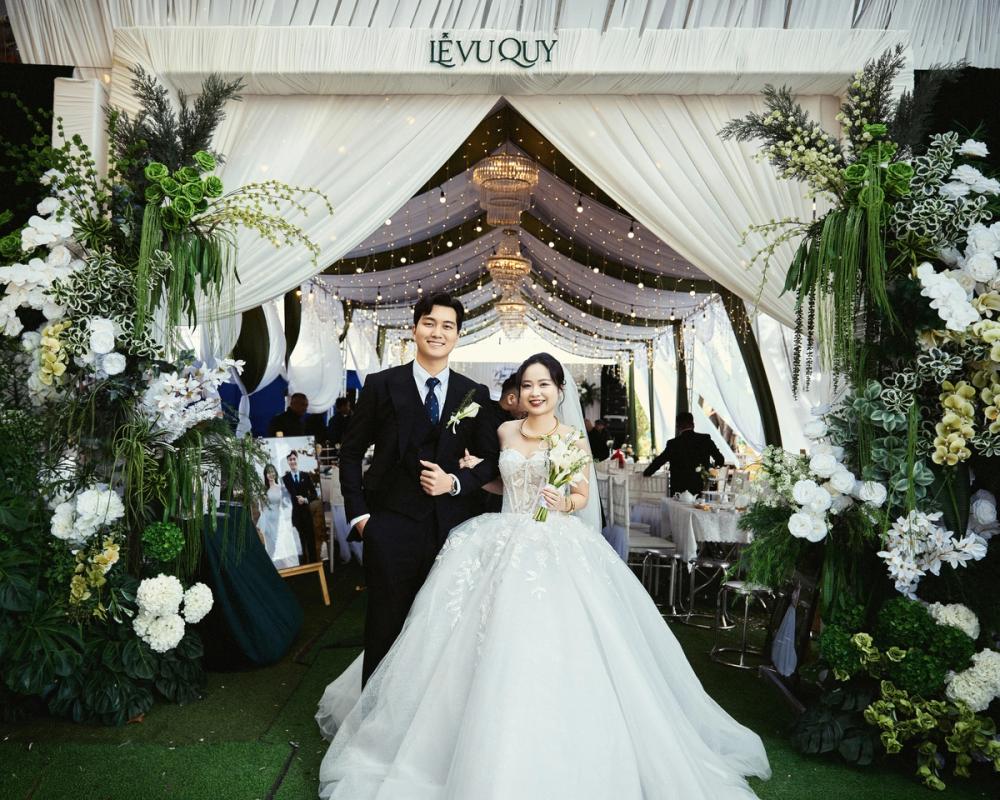
A planned portrait lets the photographer choose a place with enough room, arrange people so their faces are visible and take another frame if someone blinks. That makes it particularly useful when a specific combination matters, such as both sides of the family together or a grandparent with all their grandchildren. Direction can also feel reassuring if you’d prefer someone to tell you what to do with your hands or where to stand.
The trade-off is time and attention. A group may take moments to photograph once everyone is in place. Finding the missing guest, bringing them back from the bar and walking the next group to a different spot can take much longer. If your photographer is arranging portraits while your friends are catching up elsewhere, those conversations may pass without a photograph. Ask to see how much candid coverage a traditional-led photographer includes between the planned pictures.
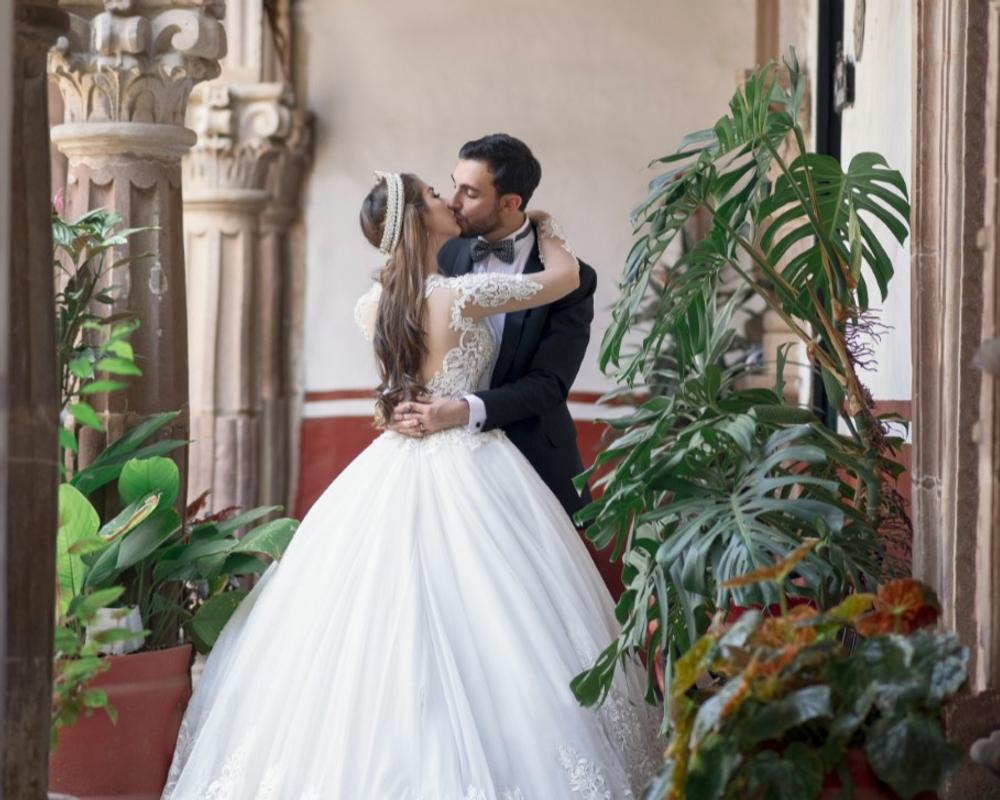
How to plan family photographs without losing your reception
Start by naming the people you’d want in the same frame. “Family photos” might mean two pictures with parents to one of you and a portrait with every aunt, uncle and cousin to the other. A named list lets you see what you’re asking for and gives your photographer enough detail to suggest a realistic time slot.
Prioritise combinations you’d miss in the album. Write down who should be in each picture. Keep any extra groups separate so you can decide together what to drop if the ceremony runs late.
Build the order around your guests. If someone needs a chair, finds standing tiring or is leaving early, slot that group in while they’re available. For the rest, group similar combinations so people can step in and out without being called back repeatedly.
Choose a spot close to the reception. Agree a sheltered or indoor option with space for your largest group. If the wedding moves between venues, choose the location where the people on your list will already be together.
Give a helper the names and tell guests when they’re needed. Someone who knows your families can round up the next group while the photographer arranges the current one. Share any sensitive family arrangements privately in advance.
Ask directly whether group portraits are part of the photographer’s coverage. Some documentary photographers offer a small set of formals, while others work entirely candidly. If you’d love a relaxed-looking family photo, ask the photographer to gather everyone, take one frame looking at the camera, then keep photographing as people talk or laugh. You may like both frames for different reasons.
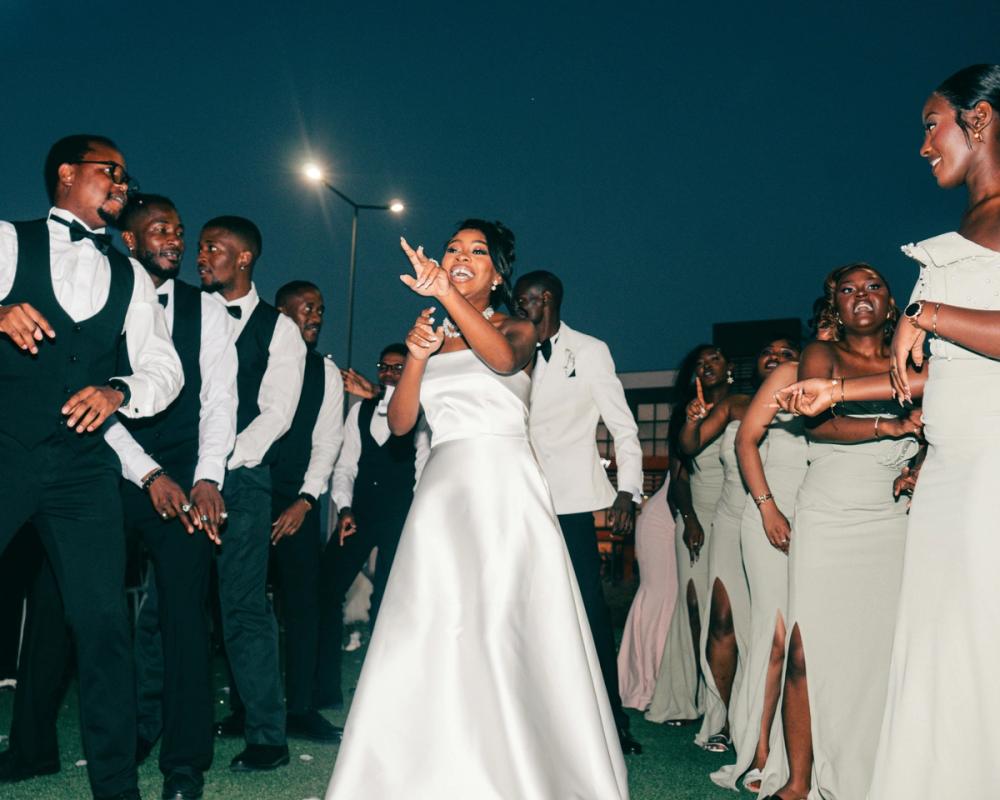
How to combine documentary and traditional wedding photography
Start with the part of the day you most want to be present for, then decide where the planned pictures fit around it. If you’re looking forward to greeting everyone after the ceremony, leave time to do that before calling people for groups. If the big family picture is your priority and several relatives are leaving straight after the ceremony, arrange it while everyone is still there and let the reception unfold candidly afterwards.
One photographer can cover both approaches if that’s how they work. Ask to see a real gallery with the balance you want, then talk through the joins in the schedule. For example, if speeches start as soon as guests sit down, decide whether to finish portraits well beforehand or move them to a later break. A photographer can tailor the timing more accurately when they know what matters most.
Three questions are enough to start that conversation:
- When would you step in and direct us? Ask them to talk through a real wedding, from preparations to the reception. Find out whether they’d make any requests outside the agreed portrait time.
- How would you fit our named groups and couple portraits around the reception? Show them your draft timings and ask where they’d put the sessions, including where you’d go in wet weather.
- If we’re running late, what would you move or shorten? Agree on the pictures to keep and the parts of the day you’d like to spend with your guests.
A useful brief can be as simple as “We want to be there for the greetings after the ceremony. Once we’ve had time with guests, we’d like four named family groups and one portrait of us together. If we’re late, keep the groups and fit in the portrait when there’s a gap.” It tells the photographer how you want to spend your day as well as what you want to see in the gallery.
FAQ
Is a posed photograph always formal?
No. Posing describes how the photographer made the picture. An arranged portrait can feel relaxed if you’re given a simple prompt, such as walking together or turning towards each other. A formal group portrait usually has more structure so everyone is visible.
Should we give a documentary photographer a shot list?
Give them a short list of planned portraits and a heads-up about meaningful moments they might otherwise miss, such as a relative making a presentation or two people meeting for the first time. Tell them when and where these are likely to happen. That gives them a chance to be in position for the unposed interaction.
Do we need a second photographer to get both posed and candid photos?
The mix alone doesn’t require one. The question is whether you want two things covered at the same time in different places. If you’d like guest arrivals photographed while both of you are elsewhere having portraits, ask whether you can change the timings or whether a second photographer would help.