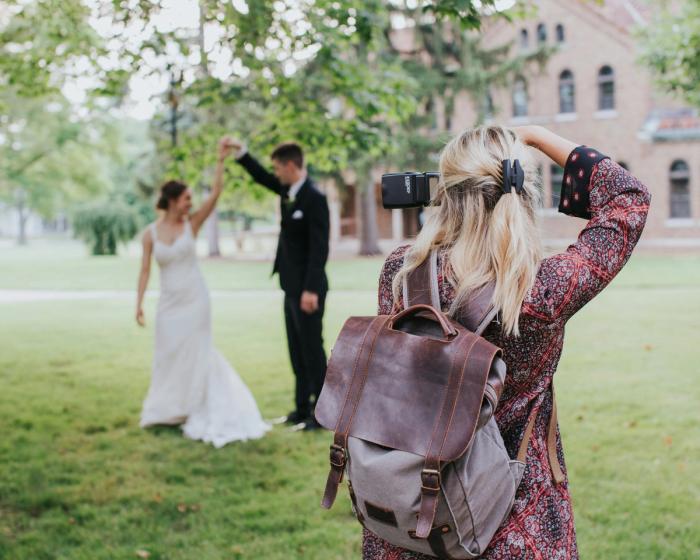
If you’d rather spend your drinks reception with your guests than pose for portraits, start with documentary wedding photography. If the family photo is the one you know you’ll print, make room for traditional group portraits. And if you can already picture the two of you on the town hall steps in a photo that looks like it belongs in a fashion magazine, look for editorial work.
Wedding photography styles tell you two things: how a photographer works on the day and how the finished pictures look. You might want candid coverage with rich, dark colours, or mostly candid photos with a few carefully directed portraits. Knowing which part you like makes it much easier to compare portfolios.
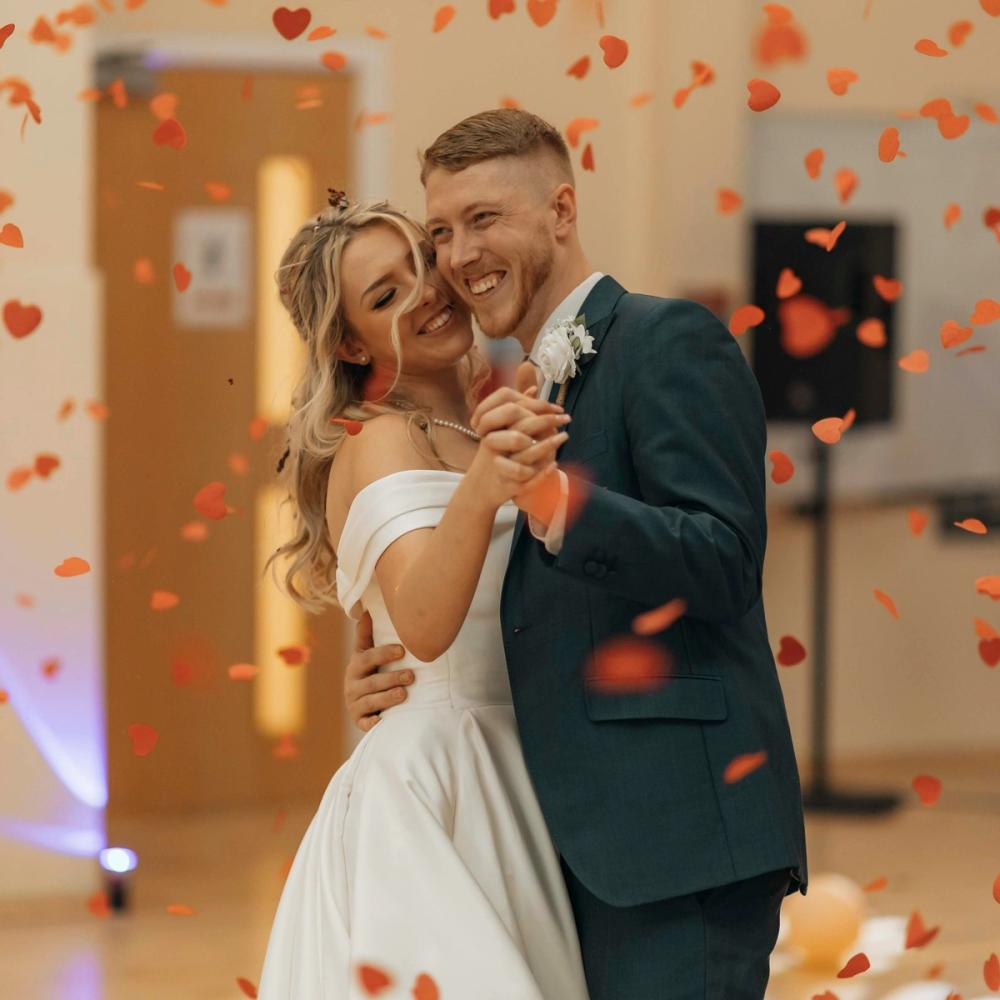
The main wedding photography styles at a glance
Traditional wedding photography
Traditional wedding photography gives planned portraits a clear place in the day. Think of a photograph with your grandparents seated in the middle and the rest of the family gathered around them, or a portrait of the two of you looking at the camera. Your photographer can choose a suitable spot, arrange people so faces are visible and guide you on where to stand.
This approach suits you if specific combinations of people are a priority or if you feel more comfortable with clear instructions. A short list of the groups you’d most like to have makes the session easier to plan. Agree on when it will happen, where you’ll go if it rains and who can help gather people. Bring up any family arrangements you’d like handled discreetly.
Documentary wedding photography
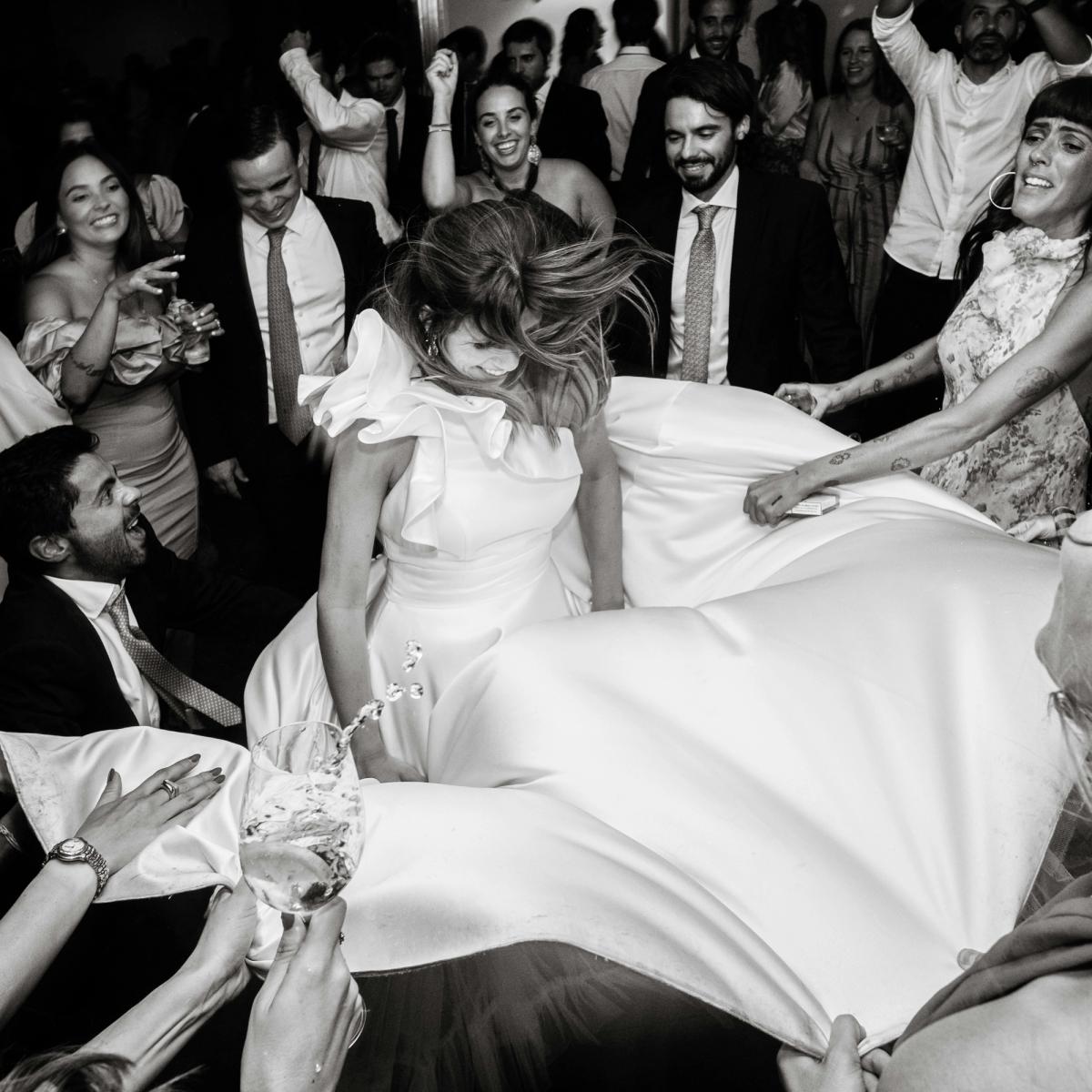
A documentary photographer follows what’s happening and watches for the moments around it. While one of you is reading your vows, they might photograph the other person’s reaction, then turn to the friend in the front row reaching for a tissue. At the reception, that might mean catching the moment your aunt pulls someone onto the dance floor. You’ll also see this approach called reportage or photojournalistic wedding photography.
It suits couples who want to stay with their guests and see parts of the day they missed. Look through a full gallery for the quieter stretches too. The pictures between the ceremony and the speeches show what the photographer notices when there’s no set-piece event. If there are family groups you want, ask whether the photographer sets aside time for them. A candid gallery may have plenty of your relatives without having everyone together in one frame.
Editorial wedding photography
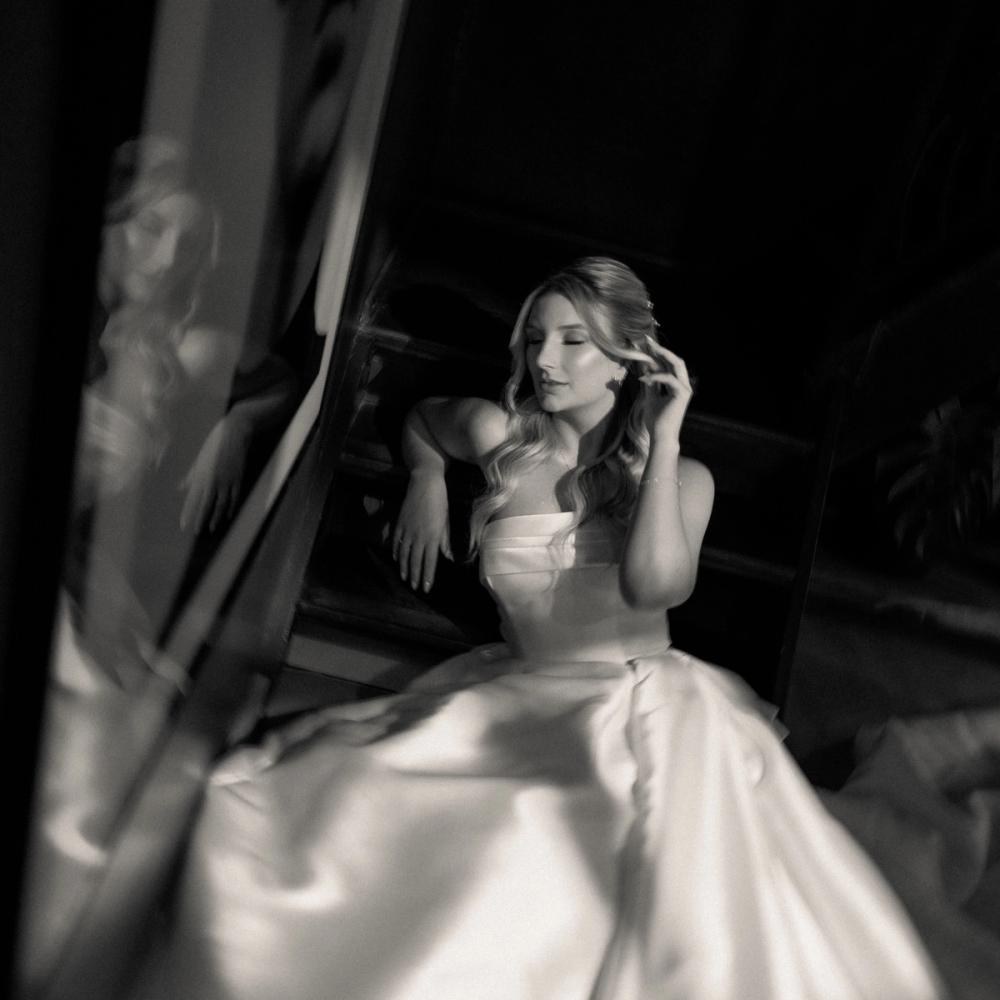
Editorial wedding photography takes cues from fashion and magazine photography. In a portrait on a staircase, the photographer might use the curve of the banister to frame you, ask you to pause mid-step and adjust how a jacket or train falls. Another photographer might use direct flash for a punchy evening portrait. Both can feel editorial because of the deliberate choices about pose, framing and light.
It suits couples who enjoy the idea of making a few striking portraits and are happy to set aside time for them. Ask what the direction sounds like in practice. One photographer might give you a simple action, such as walking across the courtyard together. Another might guide your gaze, hands and posture. If you like the portraits but want the rest of the day photographed candidly, ask to see a full wedding with that balance.
Fine art wedding photography
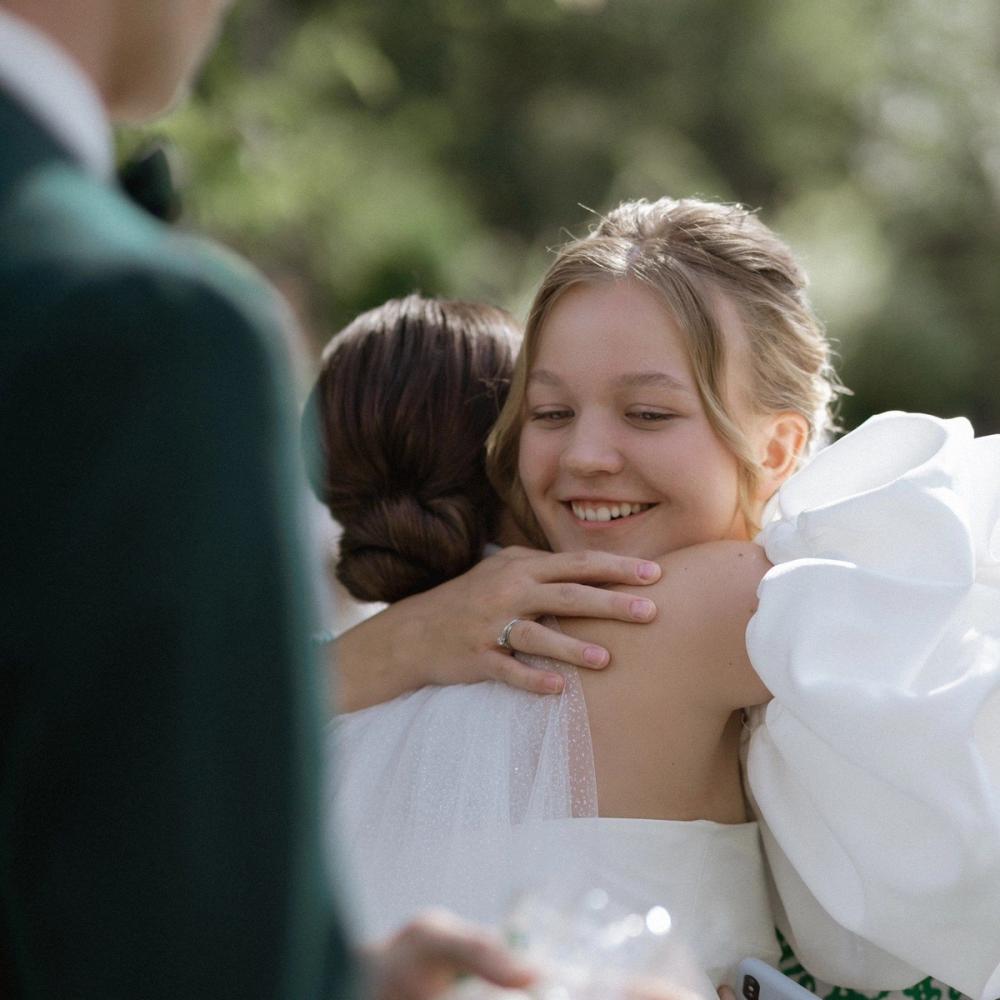
Fine art wedding photography puts particular care into composition, light and colour. A photographer might place you near a tall window so the light picks up the texture of your outfits, or frame you small in a wide shot so the landscape becomes part of the photograph. Some fine art galleries lean towards soft light and muted colours. Others use stronger shadows or more dramatic framing.
There’s overlap with editorial photography. If you like both, ask what drew you to each image. It might be the pose and the way the clothes are shown, or the softness of the light and the space around the couple. Also look beyond portraits and detail shots. A full gallery will show you how that photographer handles moving people, busy rooms and the parts of the day they have less time to compose.
What do ‘natural’, ‘light and airy’ and ‘film-style’ mean?
These descriptions can appear alongside any of the main styles. Use them to ask more specific questions about the pictures you like.
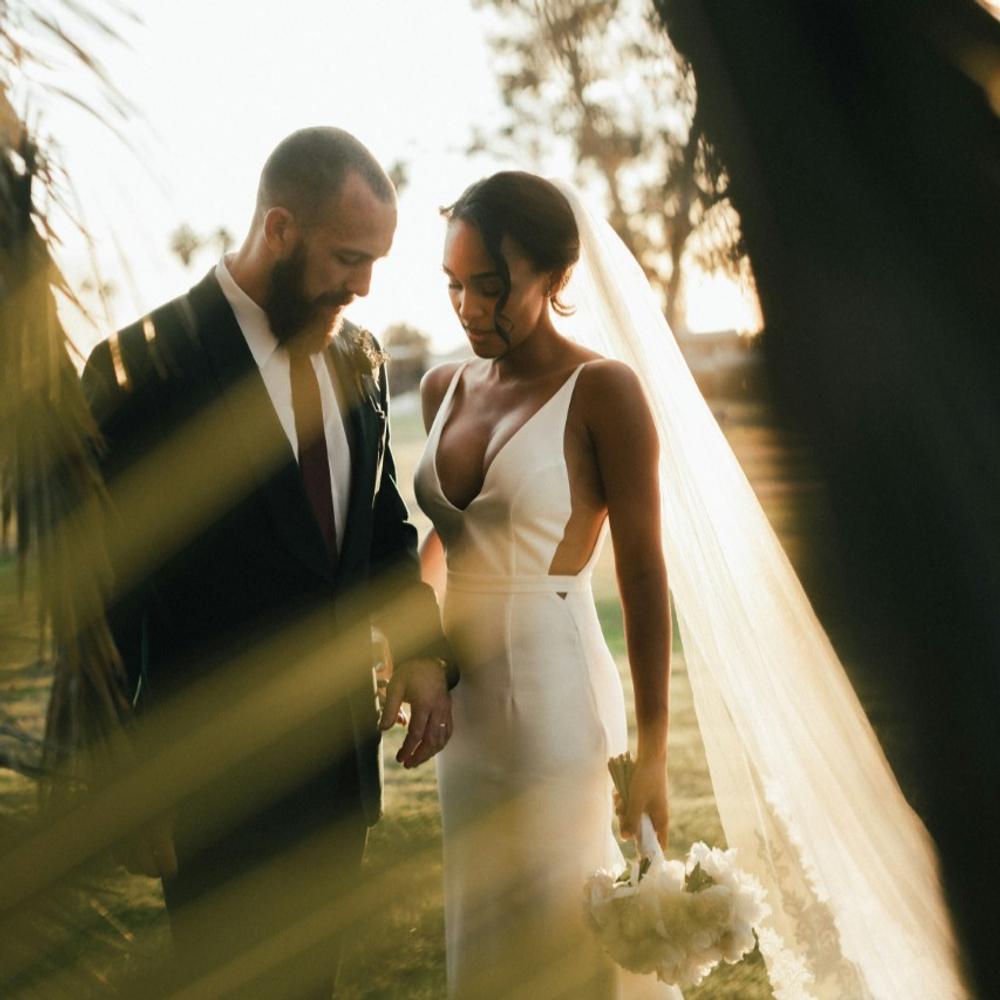
- Natural wedding photography. ‘Natural’ might mean candid coverage, gently prompted portraits or colours that look close to what you saw on the day. Natural light refers to the light source, such as daylight from a window. A naturally lit portrait can still be carefully posed. If you like a photographer’s daylight work, look at their evening photos as well.
- Light and airy. Look for bright frames, soft shadows and a softer palette. Check how fabrics, skin tones and pale flowers look, especially in bright outdoor portraits.
- Dark and moody. Deeper shadows and stronger contrast can bring out the atmosphere of a candlelit room. Look for an evening gallery where you can still see the expressions and details you care about.
- True-to-colour. This usually signals an edit that aims to keep skin tones, fabrics and flowers recognisable. Compare photos from daylight and from a room with warm lighting to see what it means in that photographer’s work.
- Film or film-style. This could mean photographs taken on film or digital images edited for qualities such as grain and softer tones. If having actual film photographs matters to you, ask which parts of the day the photographer would shoot on film.
Which style is right for you?
Decide how much of the day you want to spend posing
Think about a moment you’re looking forward to, such as the first time you see everyone after the ceremony. Would you like to head straight into the crowd, or would you enjoy slipping away for some quiet portraits? You can leave the drinks reception largely candid, arrange a short family session and make time for the two of you later. Ask a photographer to suggest when that mix would fit your timings.
Compare full galleries from real weddings
Ask to see one or two complete galleries with conditions similar to yours. For a November wedding, look at a gallery where the light fades before the reception. For a small register office ceremony, see how the photographer works in a compact room and what they do for portraits nearby. If your venue has rules about where a photographer can stand during the ceremony, tell them before discussing the pictures you have in mind.
Look through each gallery in order. Who appears in the pictures, and who barely features? Do you like how the photographer handles the ceremony, the groups and the dance floor? Portfolio highlights help you identify a look you enjoy. A full gallery shows you how that look carries through a day you might recognise as your own.
Describe your preferred mix in plain language
Pick a few photographs you each like and say what you like about them. You might both save the same picture, one because it catches a genuine reaction and the other because the colours feel warm. Then turn those preferences into a short brief you could actually give a photographer.
We’d love the ceremony and drinks reception photographed as they happen. We’d like a few family groups, including one with all our grandparents, and some gently directed portraits of the two of us. We like warm colour and would love to see how you photograph the evening indoors.
That gives a photographer something concrete to respond to. They can show you a wedding with a similar mix and explain where those portraits would fit around the time you want to spend with your guests.
FAQ
What does ‘docu-editorial’ wedding photography mean?
It usually means candid storytelling alongside some editorial-style portraits or details. The balance varies. Ask your photographer to show you a gallery with that mix and explain which images they directed.
Can we ask for black-and-white photographs?
Yes. Ask whether your photographer supplies selected black-and-white images, gives you both versions of some photographs or chooses one treatment per image. If you have a particular portrait in mind for printing, tell them when you discuss the brief.
How can we tell if a portfolio includes styled shoots?
Look for captions that describe an editorial, workshop or supplier collaboration. If it’s unclear, ask whether the photographs came from real weddings. If you love an image from a styled shoot, ask how the photographer would create something similar with the time and light you’ll have on your day.